The only IGBC Gold-certified Grade-A office building in Mohali.
Premium office space in Mohali's IT City, built for companies that expect more from where they work: Grade-A infrastructure, efficient operations, better employee experience and connectivity minutes from Chandigarh International Airport.
Built for companies that expect more from their workplace.
OP Tower brings together Grade-A infrastructure, large efficient floor plates, sustainable operations, employee-focused amenities and a strategic IT City location in one purpose-built corporate address.
Space built around the way your business works.
From focused teams to large enterprise operations, OP Tower offers flexible office configurations on expansive ~23,000 sq ft floor plates, with space from 5,000 sq ft onwards.
Interiors led by François Gramoli, Creative Director (ex-WeWork).
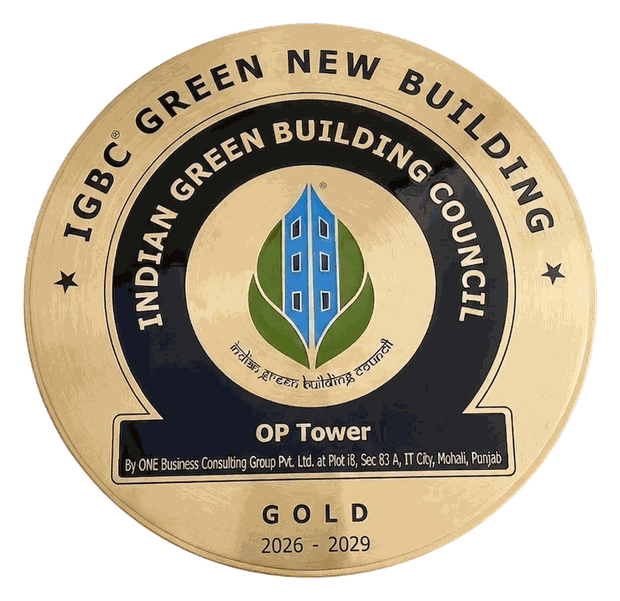
A greener building. A stronger business case.
OP Tower's IGBC Gold certification is independent proof that sustainability has been built into the asset, from energy efficiency and water management to materials and indoor environmental quality.
For occupiers, that means a workplace designed to consume fewer resources, operate more efficiently and support corporate sustainability commitments from day one.
Designed to save you money, every single month.
OP Tower is designed to reduce the operating demand your workplace has to carry, so recurring power-related overheads stay lower across the life of the lease.
Lower cooling demand
A high-performance envelope, DGU glazing, insulated walls and efficient Daikin VRV systems reduce the cooling demand your workplace has to carry.
RO water included in CAM
No separate drinking-water vendor contracts, equipment investment or recurring maintenance for your workplace.
Lower resource consumption
IGBC Gold-certified building systems help reduce the energy and water footprint associated with your office, supporting operating efficiency and corporate sustainability goals.
*Performance and savings vary by occupied area, operating hours, fit-out, occupancy and usage.
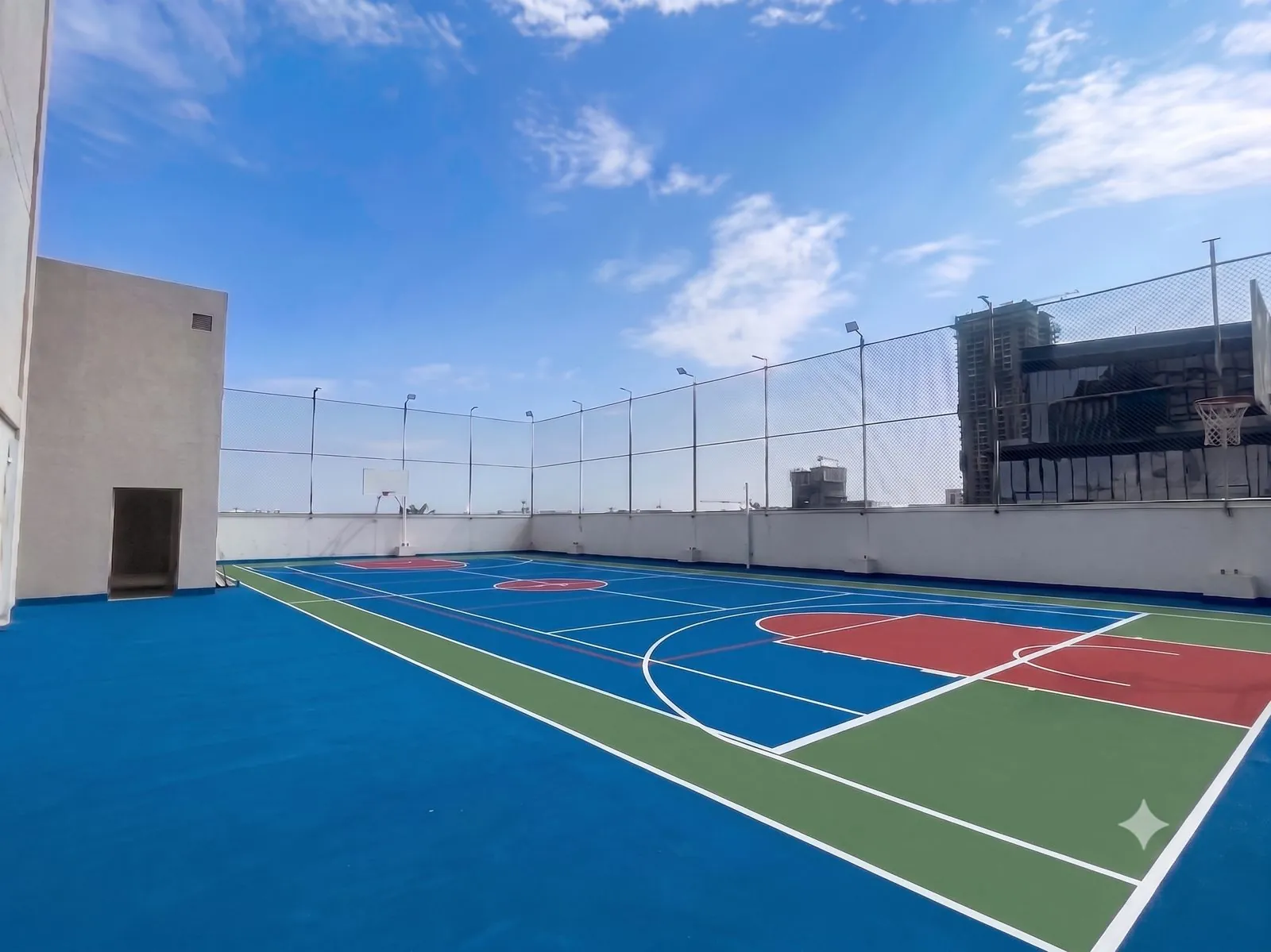
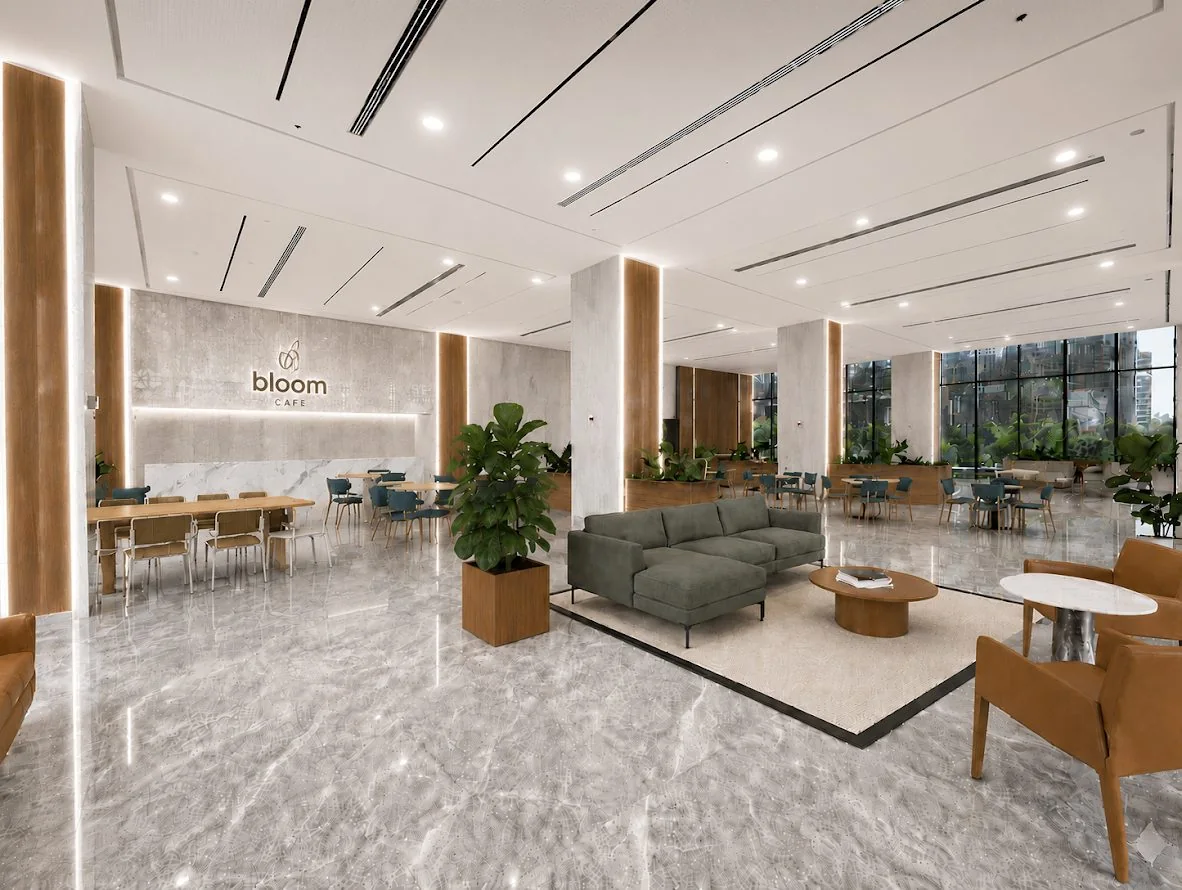
Everything your workday needs, already here.
Amenities designed around the people who use the building every day, making work more convenient, more enjoyable and easier to stay connected to.

Infrastructure your business shouldn't have to think about.
The best workplace infrastructure works quietly in the background, keeping teams comfortable, systems running and operations moving throughout the day.
Dedicated electrical infrastructure with DG power backup, so operations keep running.
High-efficiency Daikin VRV systems with treated fresh air and CO2 monitoring.
High-speed, destination-controlled ThyssenKrupp lifts move people at peak times.
Fire detection and suppression infrastructure, with a current Fire NOC in hand.
A workplace designed around access control and CCTV surveillance.
Building-management systems supporting monitored, efficient day-to-day operation.
Minutes from the airport. Connected across the Tricity.
OP Tower puts teams, clients and visiting leadership within easy reach of Chandigarh International Airport, major institutions, healthcare and the wider Tricity.
- ~3–4 minAmity + Plaksha Universities
- ~8 minFortis Hospital, Mohali
- DirectAirport Road / PR-7 connectivity
- NearbyHotels & business stays
A growing business district with direct access to Chandigarh, the airport and the wider Tricity.